Therapy designed for
real progress
From comprehensive evaluations to intensive treatment protocols, every service is built around one goal: addressing the root cause so your child can thrive.
Comprehensive Evaluation
Where every journey begins
Before any treatment, we need to understand the full picture. Our comprehensive evaluation assesses sensory processing, motor skills, primitive reflex development, and neurological function to identify the root causes of your child's challenges.
Best for:
Any child with developmental concerns, whether you're seeking a first evaluation or a second opinion.
What's included:
- Full sensory processing assessment
- Primitive reflex screening
- Fine and gross motor evaluation
- Visual motor integration testing
- Individualized treatment recommendations
- Written report and home program
NeuroNest Intensive
Our signature program
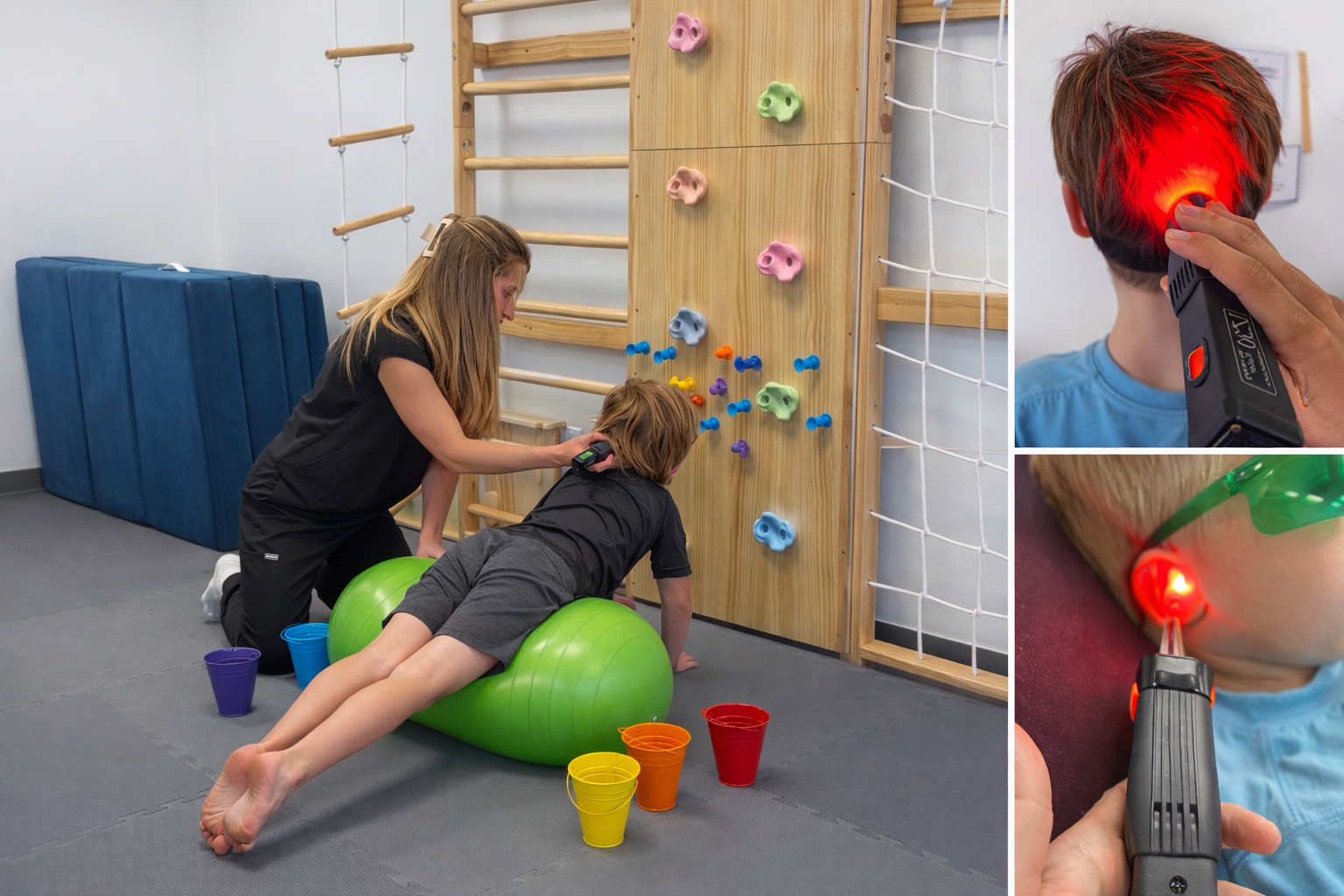
Our flagship intensive combines advanced neural technology with proven therapeutic approaches in a concentrated program. Choose a 5-day intensive or a 10-day intensive for children who benefit from a longer, two-week course of treatment. Using vagus nerve stimulation, photobiomodulation, targeted reflex integration, and motor skill development, we build new neural connections and drive neuroplasticity at the deepest level. Bilateral and cross-body activities strengthen hemispheric intercommunication, helping both sides of the brain work together. Research consistently shows that intensive therapy creates faster, more lasting change than traditional weekly sessions.
Best for:
Children with retained reflexes, sensory processing challenges, motor delays, nervous system dysregulation, hemispheric intercommunication challenges, or trauma-related developmental impacts.
What's included:
- 5 or 10 consecutive days of therapy
- 2 hours per day, one on one
- Vagus nerve stimulation for nervous system regulation
- Photobiomodulation (PBM) therapy
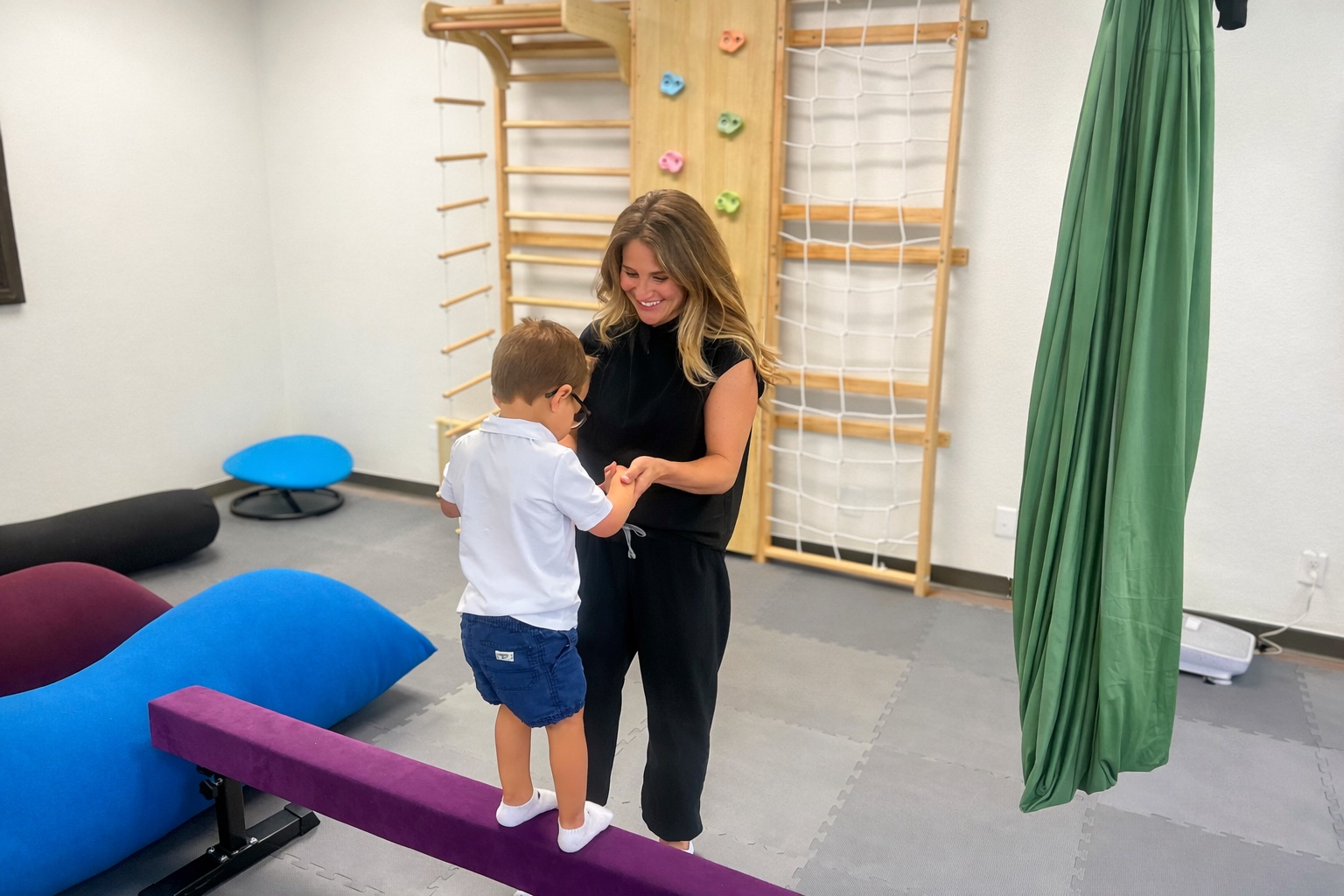
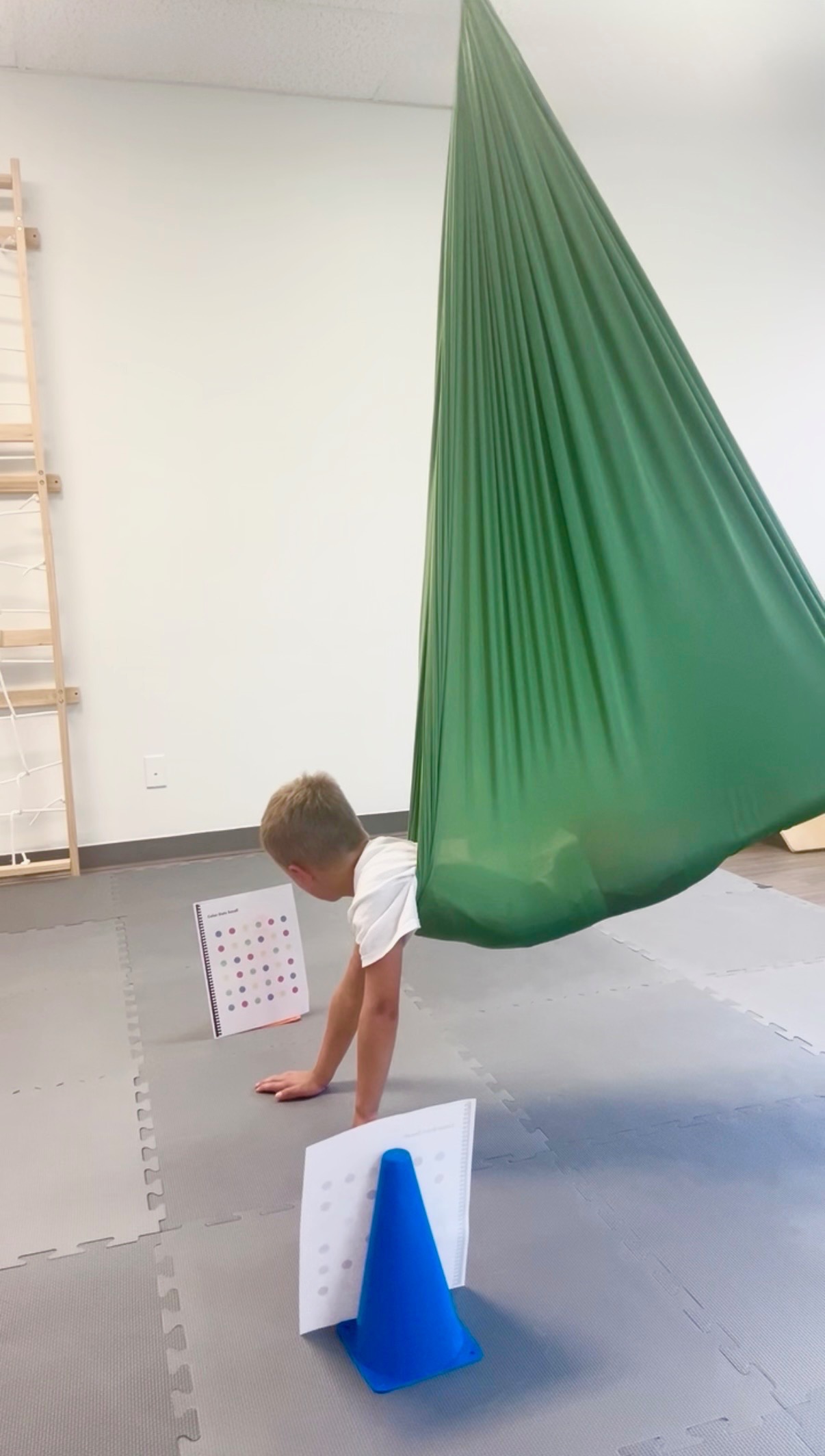
- Bilateral and cross-body tasks for hemispheric intercommunication
- Reflex integration protocols
- Fine and gross motor skill development
- Sensory motor integration activities
- Neuroplasticity-driven exercises to build new neural pathways
- Customized home program for continued progress
Maintenance Sessions
Sustaining the gains
After an intensive, the work continues at home. Maintenance sessions provide regular check ins to monitor progress, update home programs, and make adjustments as your child's nervous system continues to reorganize.
Best for:
Families who have completed an intensive and want to maintain and build on their child's progress.
What's included:
- Progress monitoring and reassessment
- Home program adjustments
- New activity recommendations
- Problem solving for challenges
- Transition planning when ready
Inside a NeuroNest session
Who are these specialized services for?
Our intensive programs and neural technology are designed for children with a wide range of neurological and developmental conditions.
Brain Injury
Traumatic brain injury and concussion recovery
Stroke
Pediatric stroke rehabilitation
Cerebral Palsy
Motor planning and neurological support
Retained Reflexes
Primitive reflexes affecting development
Developmental Delays
Global or specific developmental concerns
Genetic Syndromes
Down syndrome, fragile X, and other conditions
Autism
Sensory processing and regulation support
ADHD
Focus, regulation, and nervous system support
Learning Disabilities
Underlying neurological contributors to learning
Dyslexia
Visual processing and reflex connections to reading
Hypotonia
Low muscle tone and core strength development
Trauma
Nervous system recovery from early or ongoing trauma
Questions parents ask
Yes. PBM is a noninvasive, painless therapy that uses low level light energy to stimulate cellular function. It has been used safely in clinical and research settings for decades. There are no known harmful side effects when administered by a trained professional. Children typically find the sessions comfortable and calming.
We use an FDA cleared Class IV therapeutic laser specifically designed for transcranial photobiomodulation. This device delivers precise wavelengths of near infrared light that can penetrate the skull and reach brain tissue, supporting cellular energy production and neurological function.
Research on photobiomodulation for neurological conditions is growing rapidly. Published studies have shown promising results for traumatic brain injury, stroke recovery, cognitive function, and neuroinflammation. PBM works by stimulating mitochondrial function (the energy centers of cells), increasing blood flow, and reducing inflammation in the brain. While more large scale clinical trials are ongoing, the existing body of evidence supports PBM as a safe and beneficial adjunct to traditional therapies.
Not sure where to start?
A comprehensive evaluation is always the best first step. We'll help you understand what's driving your child's challenges and recommend the right path forward.
Book an Evaluation